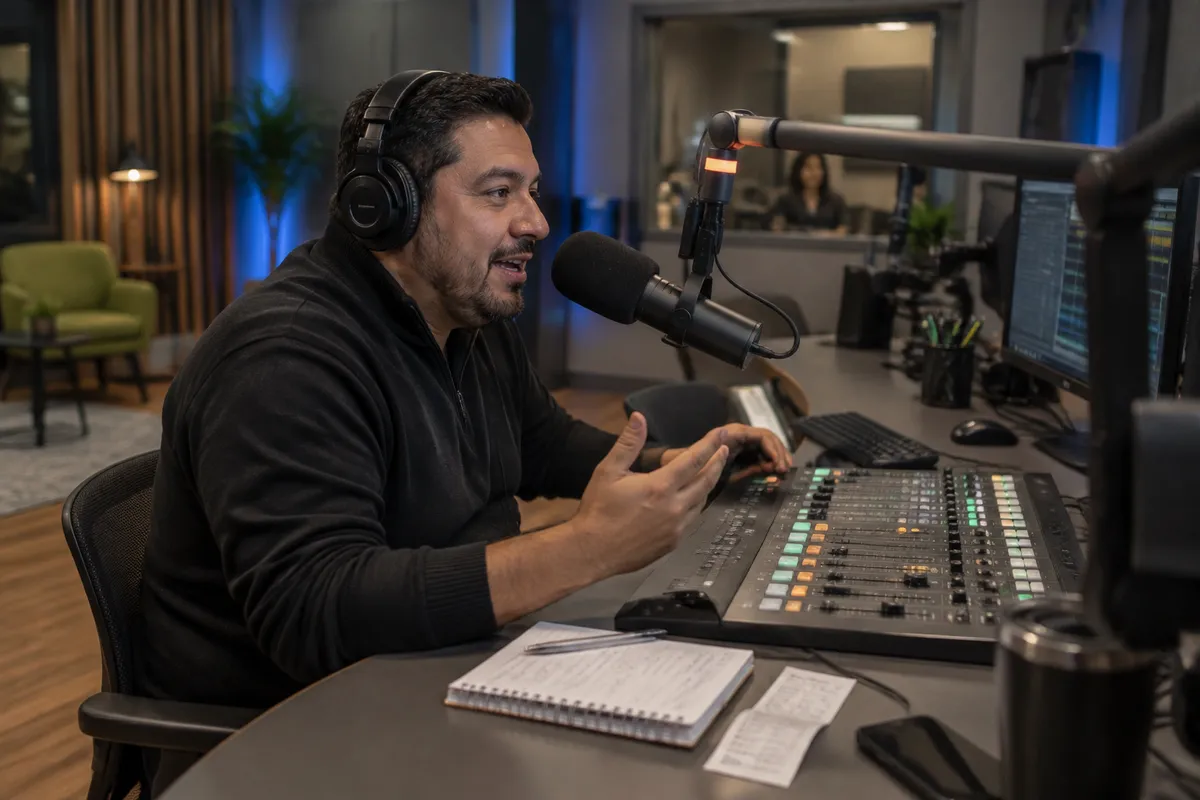
The call-in line is the story
In Allentown, Pennsylvania, Victor Martinez runs a Spanish-language radio station in the Lehigh Valley. According to News4jax's report, his show has become an outlet for voters' frustration over everyday realities: higher fuel prices, inflation, groceries, jobs and immigration. The midterm election is next month, and the stakes locally are high.
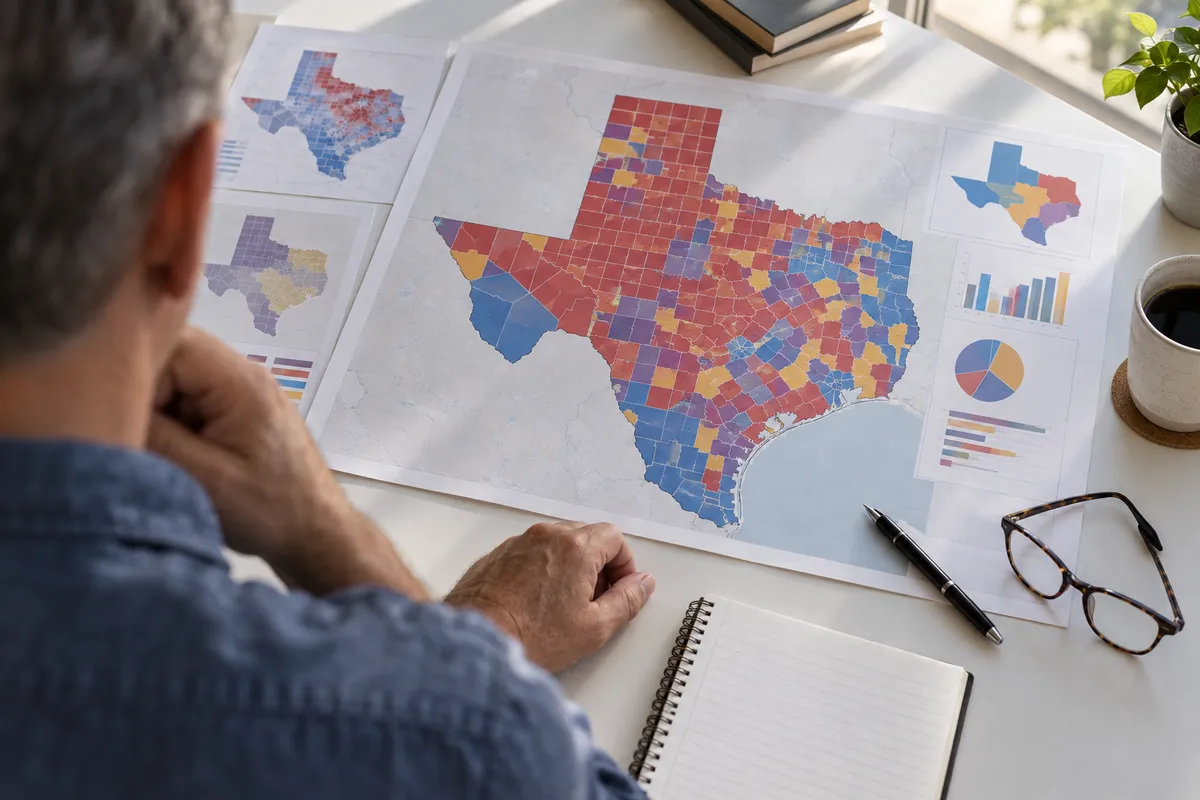
The report says that economic stress could weaken Republican support among Latinos in one of the country's most closely watched House contests, Pennsylvania's 7th Congressional District. Latino voters make up roughly a quarter of the district, per the report.
Why this district, and why now
Two years ago, some of these voters helped Trump win support. Per the report, some now say they are disappointed: prices remain high, and daily life has not gotten better.
That is the tension the show captures. A voter's loyalty to a party is one thing. The price at the pump and the grocery bill are another, and they show up every week.
Radio as a political power center
It's easy to think of campaigns as TV ad buys and viral clips. A local Spanish-language radio station is a quieter kind of influence. It is where listeners can talk about bills and jobs in their own language, in their own community, in real time. It's hard not to see why a station like Martinez's matters in a district where roughly a quarter of voters are Latino.
This is our read, not a claim from the report, but the format itself is revealing. A radio call-in doesn't come with a poll's multiple-choice options. Callers pick the topic, and based on the coverage, the topics they pick are groceries, gas, work and immigration.
Frustration is not the same as turnout
The open question in any battleground is what frustration does next. It could push voters toward a different candidate. It could also keep them home. The News4jax piece frames the economic strain as a possible drag on Republican support among Latino voters, but disappointment doesn't automatically become a vote for the other side.
That uncertainty is what makes the Lehigh Valley worth watching. The people calling in aren't a monolith, and the report doesn't suggest they are. What they share is a sense that the things they were promised have not shown up in their budgets.
What to watch
With the election about a month away, the Lehigh Valley offers a useful test: do voters who felt let down actually vote, switch or sit out? The answer will say a lot about how much kitchen-table economics can outweigh party habit.
For now, the clearest signal is coming from a call-in line in Allentown, where the loudest topic isn't a slogan. It's what things cost.