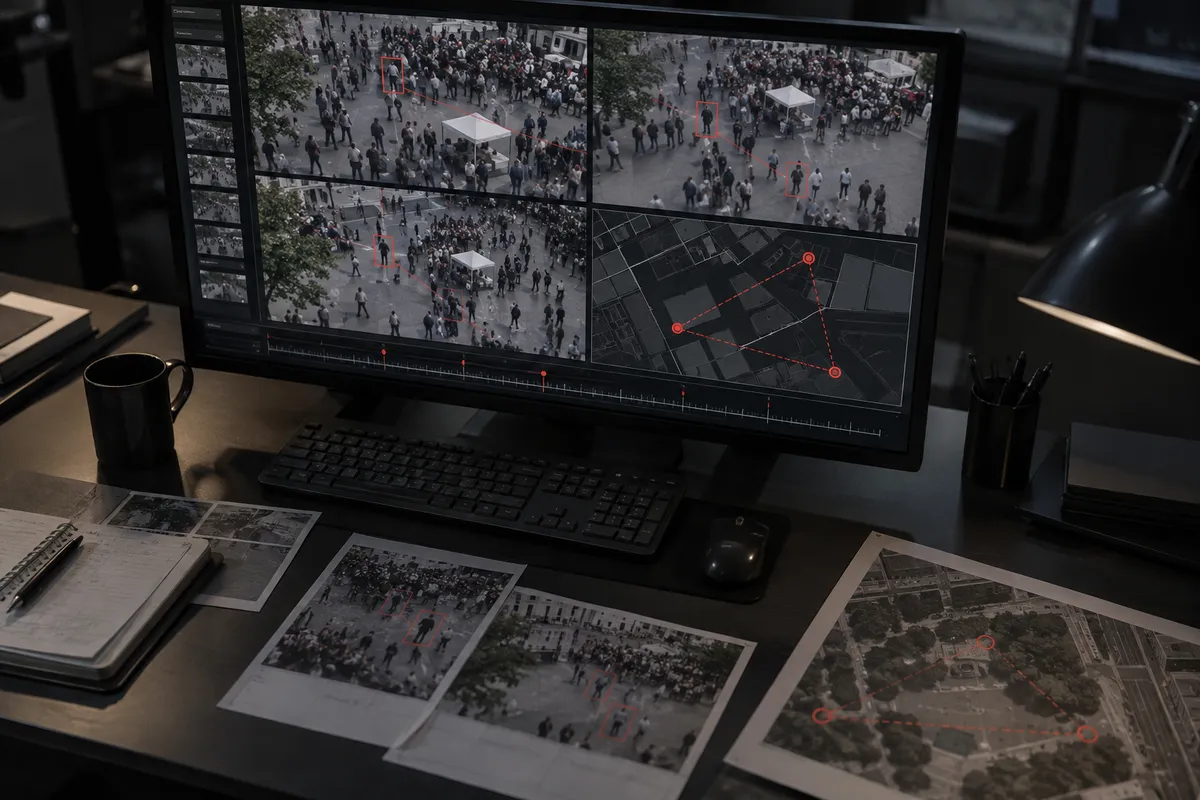
A BBC Africa Eye investigation has found that three mourners killed by police at Raila Odinga's national farewell in Kenya were far from the violence that triggered the gunfire. The team analysed 1,500 videos and images of the memorial, and reports that those who died were not involved in the scuffles.
The subject is the deaths of people who came to say goodbye to a national figure, so this piece sticks to the reported facts and keeps the commentary sober.
What the investigation did
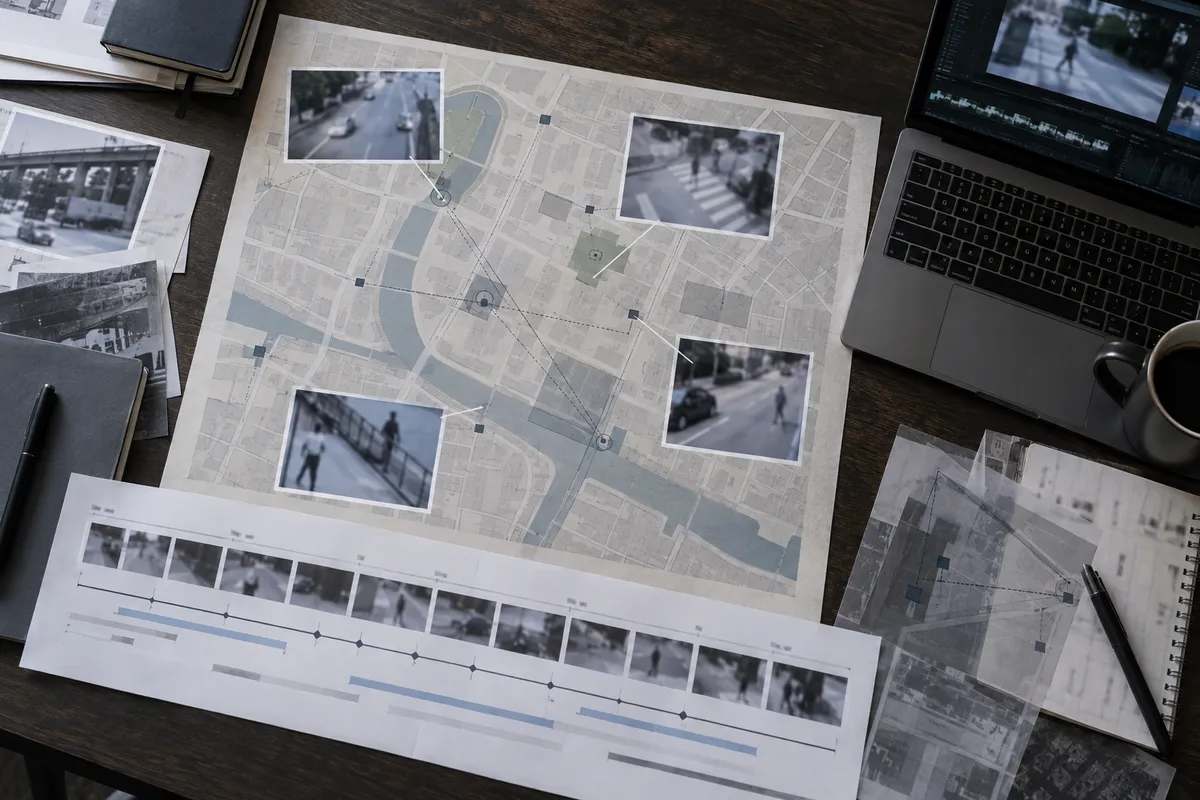
Per BBC Africa Eye, the findings rest on three kinds of evidence: forensic analysis of video and images, witness accounts, and autopsy findings. The central method was establishing where the victims were when the shooting happened, and comparing that with where the scuffles took place.
The outlet's conclusion is that the three people killed were far from the confrontations that preceded the gunfire. That matters because it bears directly on the question any police shooting raises: who posed a threat, and where.
Why location is the whole story
In crowd incidents, accounts often blur. Chaos, noise and fear make it hard for anyone on the ground to say precisely what happened and who was near what. Open-source footage can cut through some of that. With enough angles and timestamps, investigators can place individuals on a map and set them beside the moment violence began.
That is the logic of the Africa Eye approach as reported: not a single clip, but a body of 1,500 pieces of footage cross-checked against witness testimony and autopsy results. It is a reminder that official narratives about public-order incidents can now be tested against what thousands of phones recorded.
The question of an elite unit
The report also raises questions about possible involvement of an elite presidential protection unit. Per the BBC's summary, the investigation uses its evidence to question police conduct, including whether that unit played a role. Beyond what the BBC reports, this article cannot say who fired the shots, and the question of responsibility remains the one an investigation still has to answer.
It is fair to ask, as a matter of principle, why specialised protection units are present at mass public gatherings and how their rules on live ammunition are set. That is analysis, not a finding, but it is the kind of question the footage invites.
A year on, no one held accountable
According to the BBC, a year after the shootings Kenya's police watchdog is still investigating, and no one has been held accountable. For the families of the three people killed, that means a year of waiting for an answer to a basic question: why did their relatives die at a funeral event?
The findings land amid continuing public concern in Kenya over police use of live ammunition, state accountability, and how mass political gatherings are handled.
What to watch
The next step is institutional rather than journalistic. The police watchdog's investigation is the process that could establish responsibility, and the BBC's analysis now sits alongside it as a public record of where the victims were. Whether that evidence changes anything will be measured not by headlines but by whether anyone is eventually held to account.
For now, the reported finding is stark and simple: the people who died were not where the trouble was.