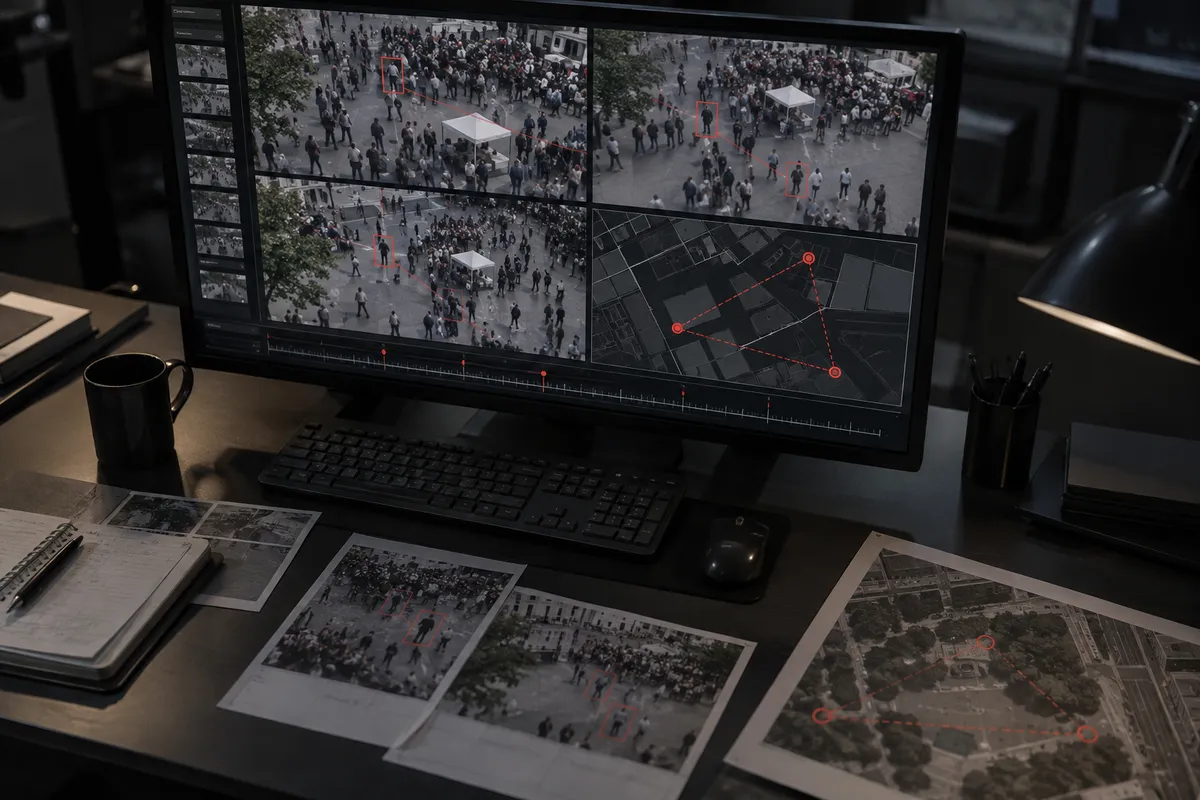
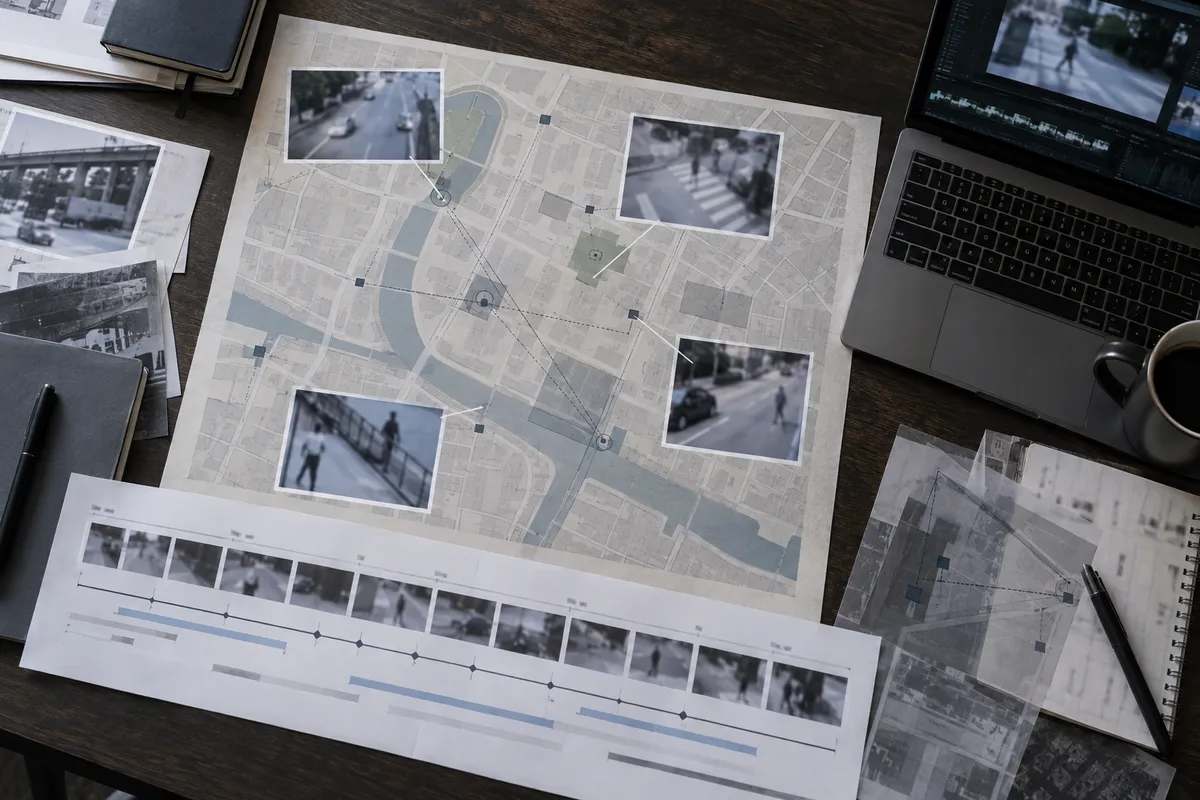
A BBC Africa Eye investigation has found that three mourners killed by police at Raila Odinga's national farewell in Kenya were far from the violence that triggered the gunfire. The team analysed some 1,500 videos and images of the memorial, according to the BBC, and used that footage to establish where the victims were when they died.
A year on, Kenya's police watchdog is still investigating, and the BBC reports that no one has been held accountable.
A note on register: this is a story about people who went to say goodbye to a national figure and did not go home. It deserves a sober telling, so that is what follows.
What the investigation did
The BBC's approach, as described in its report, combined forensic video analysis, witness accounts and autopsy findings. The central question was simple: where were the three victims when they were killed, and where was the violence that police have pointed to?
The answer, per Africa Eye, is that the dead were far from the scuffles. In other words, the investigation finds no link between the people who were killed and the disorder that preceded the shooting.
That is the strength of open-source methods in a case like this. Hundreds of phone clips and photos, each limited on its own, can be cross-referenced into a timeline and a map. Distance becomes something you can measure rather than argue about.
Questions about an elite unit
The BBC report also raises questions about the possible involvement of an elite presidential protection unit. The material available here does not detail what the investigators found on that point, so it is best read as an open question the BBC has put on the record, not an established conclusion.
It is still a fair thing to ask why a specialist unit tied to presidential security would feature in the crowd dynamics at a mass public gathering. Events of this size depend on clear lines of command and clear accountability, and the BBC's questions go to both.
Why a year of waiting matters
The investigation lands amid continuing public concern in Kenya over police use of live ammunition, state accountability, and how mass political gatherings are handled. The police watchdog's inquiry remains open. For the families, that means a year without answers about who fired, on whose orders, and why.
It is hard not to see the gap here. Video evidence, once assembled, can show in a matter of months where people stood. The institutional process that is supposed to act on such findings has, by the BBC's account, produced no accountability yet.
The human cost
Behind the forensic mapping are three people who were mourning a public figure and were killed at the event meant to honour him. Their families are still waiting. Any official account that ties them to the violence now has to contend with the BBC's finding that they were far from it.
What to watch next
The next marker is the watchdog's investigation: whether it concludes, what it says about the police claims, and whether it addresses the questions about the elite unit. Until then, the footage analysed by Africa Eye is the most detailed public picture of what happened, and it points away from the mourners as a source of the violence.
Open-source evidence cannot deliver accountability by itself. It can, though, make it much harder to explain away.