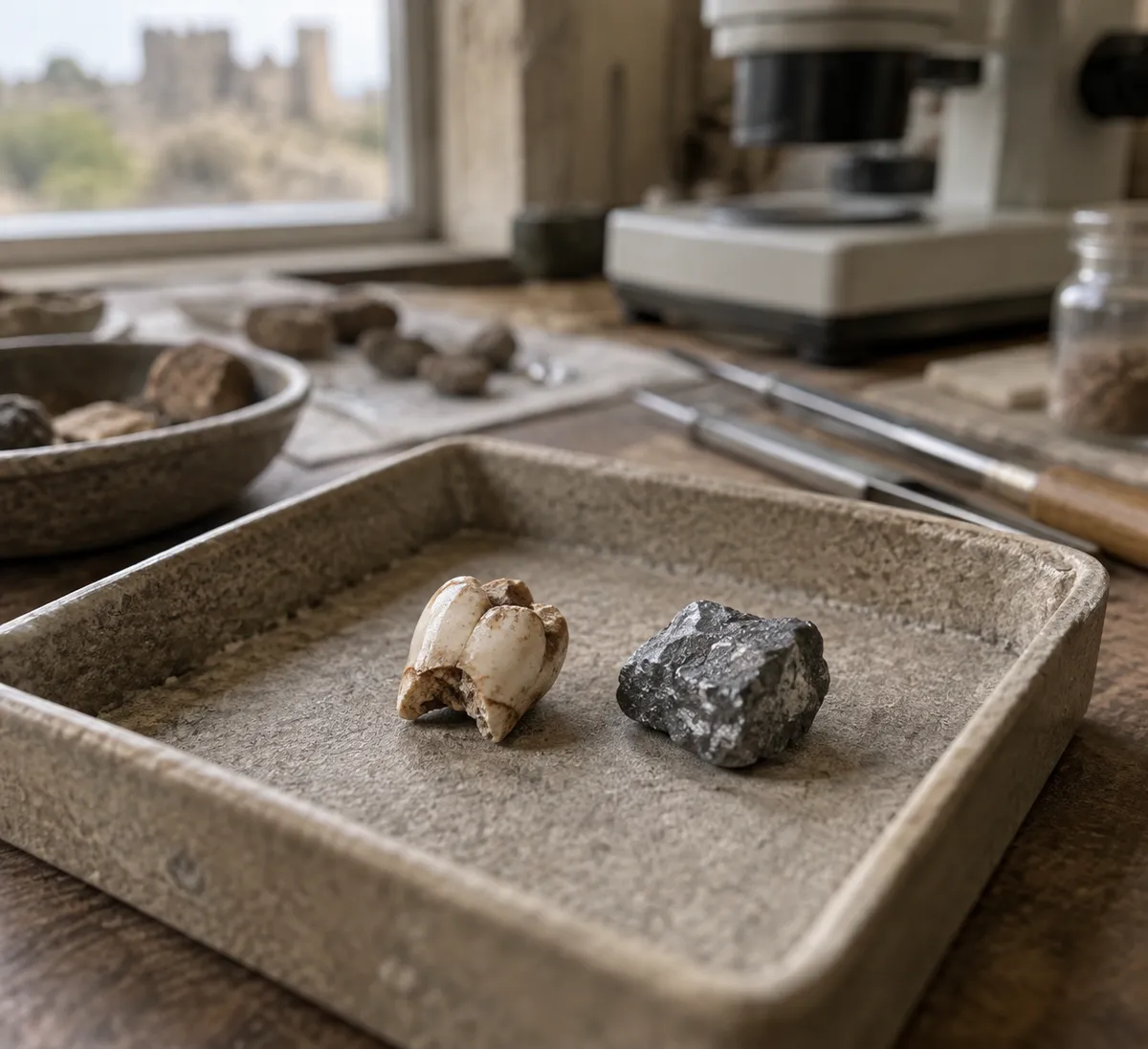
Medieval Teeth Reveal When Lead Poisoning Hit the Peak District
Tooth enamel from English graves dates the revival of lead mining to the mid-7th century and shows who bore the cost: poorer families and young women.

Tooth enamel from English graves dates the revival of lead mining to the mid-7th century and shows who bore the cost: poorer families and young women.
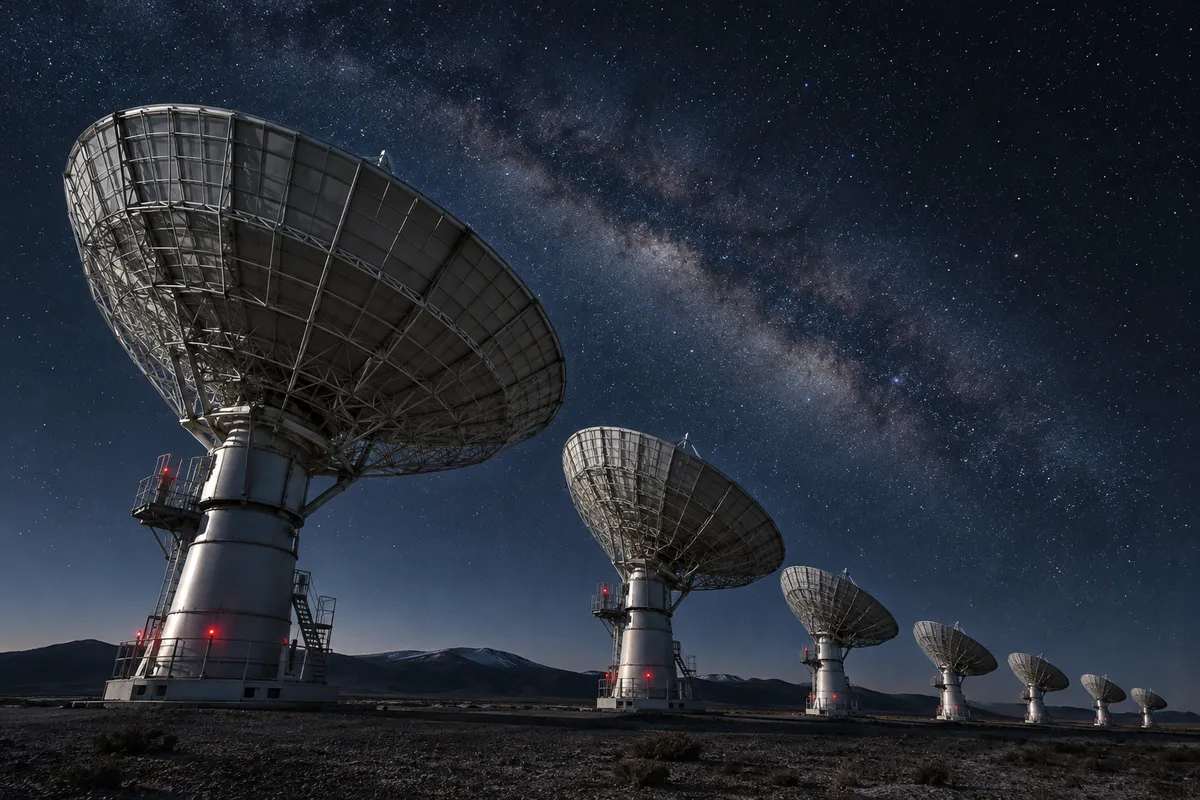
Canada's CHIME telescope has detected the faint radio glow of ancient hydrogen using only its own data, opening a cheaper way to probe dark energy.

JWST data suggests 18 crowded galaxies, seen 500 million years after the Big Bang, may be carving a bubble in the cosmic fog. Here's why that matters.

JWST data from the JADES survey shows 18 dense early galaxies that may be carving a bubble of ionized hydrogen, a clue to how the universe became transparent.
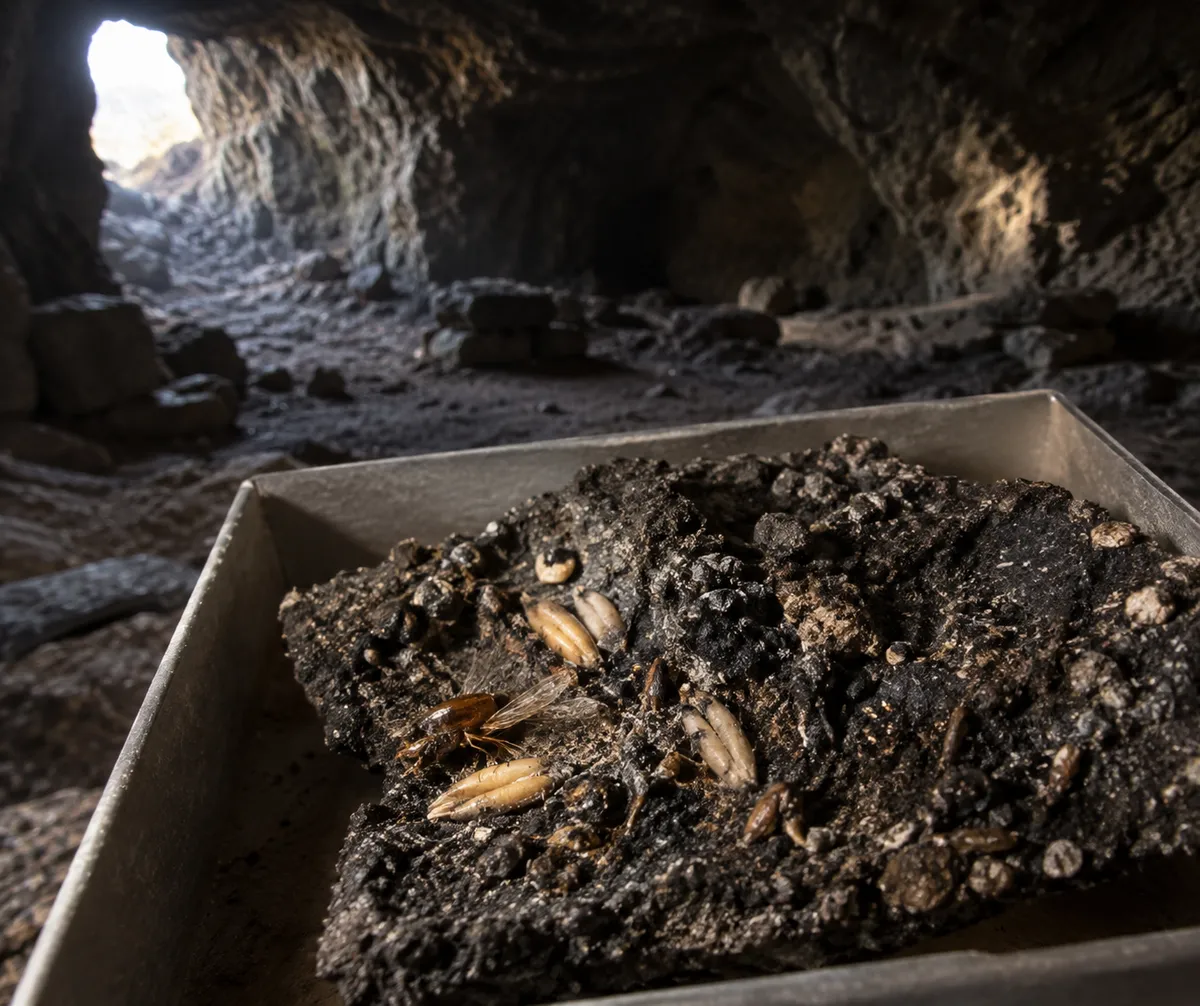
Insect remains in a Gran Canaria cave show it was a grain store before becoming an Indigenous burial site, per Phys. Tiny clues, big history.
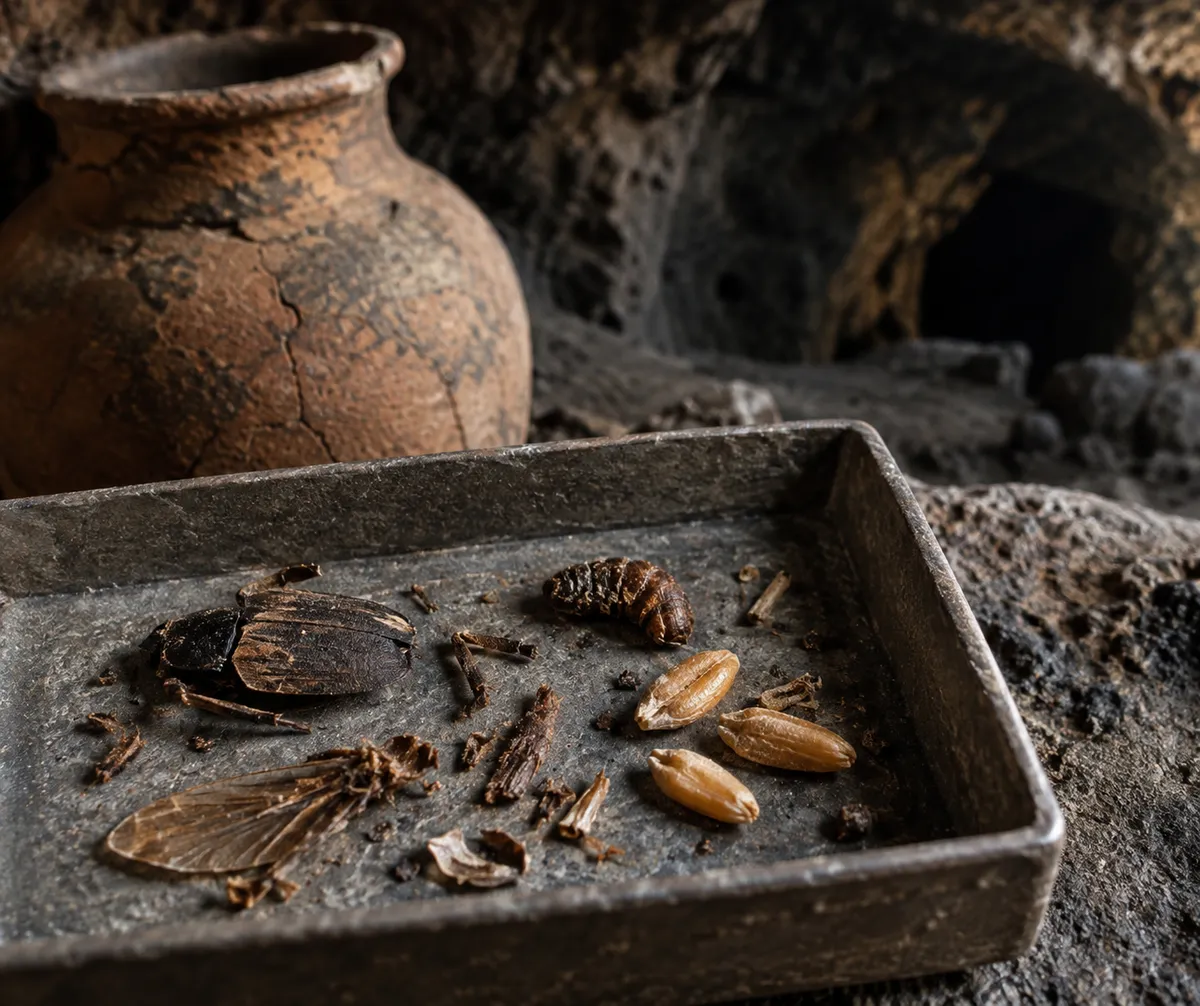
Archaeologists studied 8,000+ insect remains from Gran Canaria's Cruz de la Esquina cave and found a grain store turned Indigenous burial site.
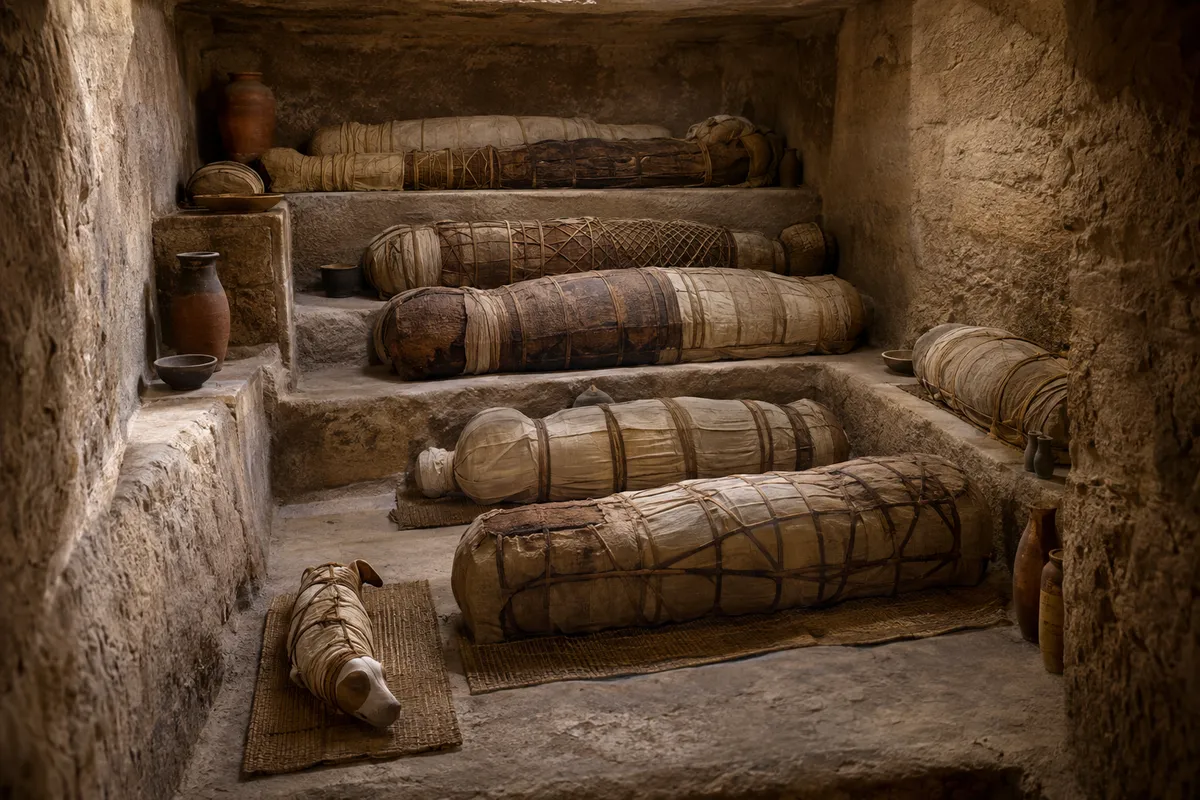
Researchers say 300 years of mummies in Theban Tomb 209 weren't a jumble but a plan, with a mummified dog tucked in. Here's what the new study found.
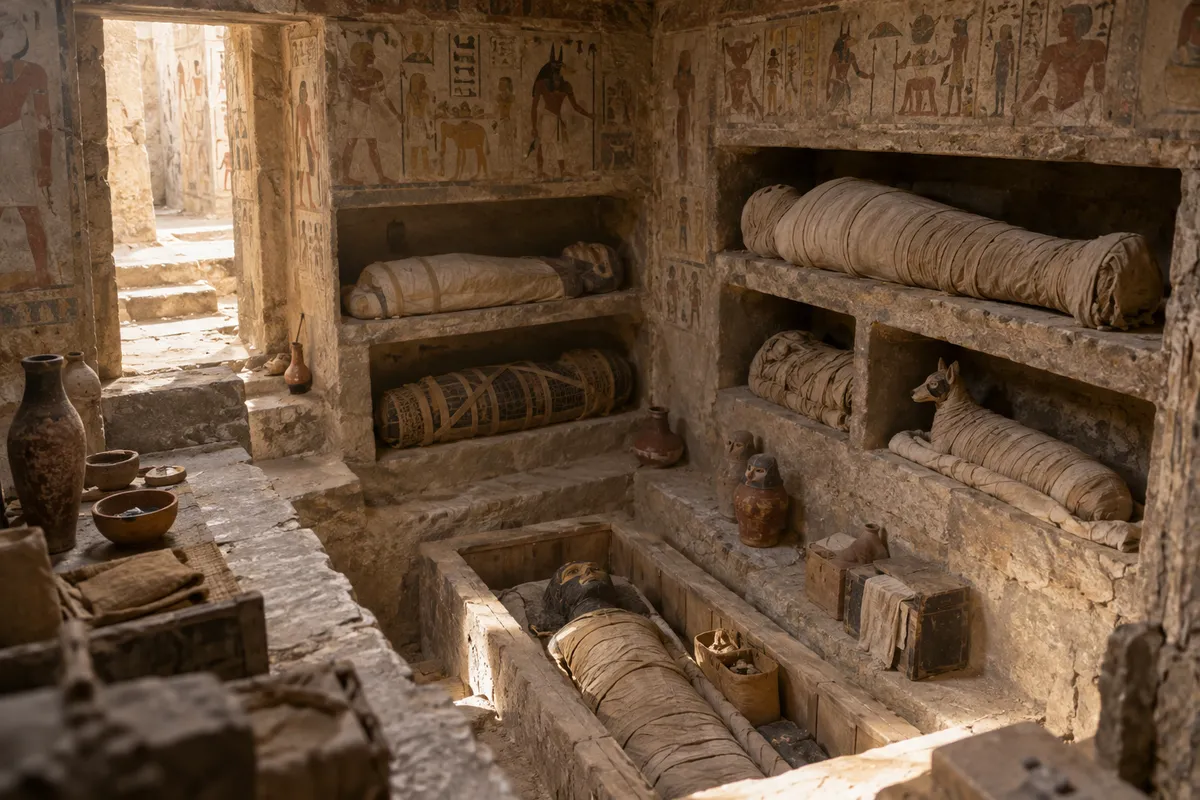
A study of Theban Tomb 209 near Luxor finds 20+ mummies and one dog spanning 300 years, and researchers say the crowded tomb was planned, not chaotic.
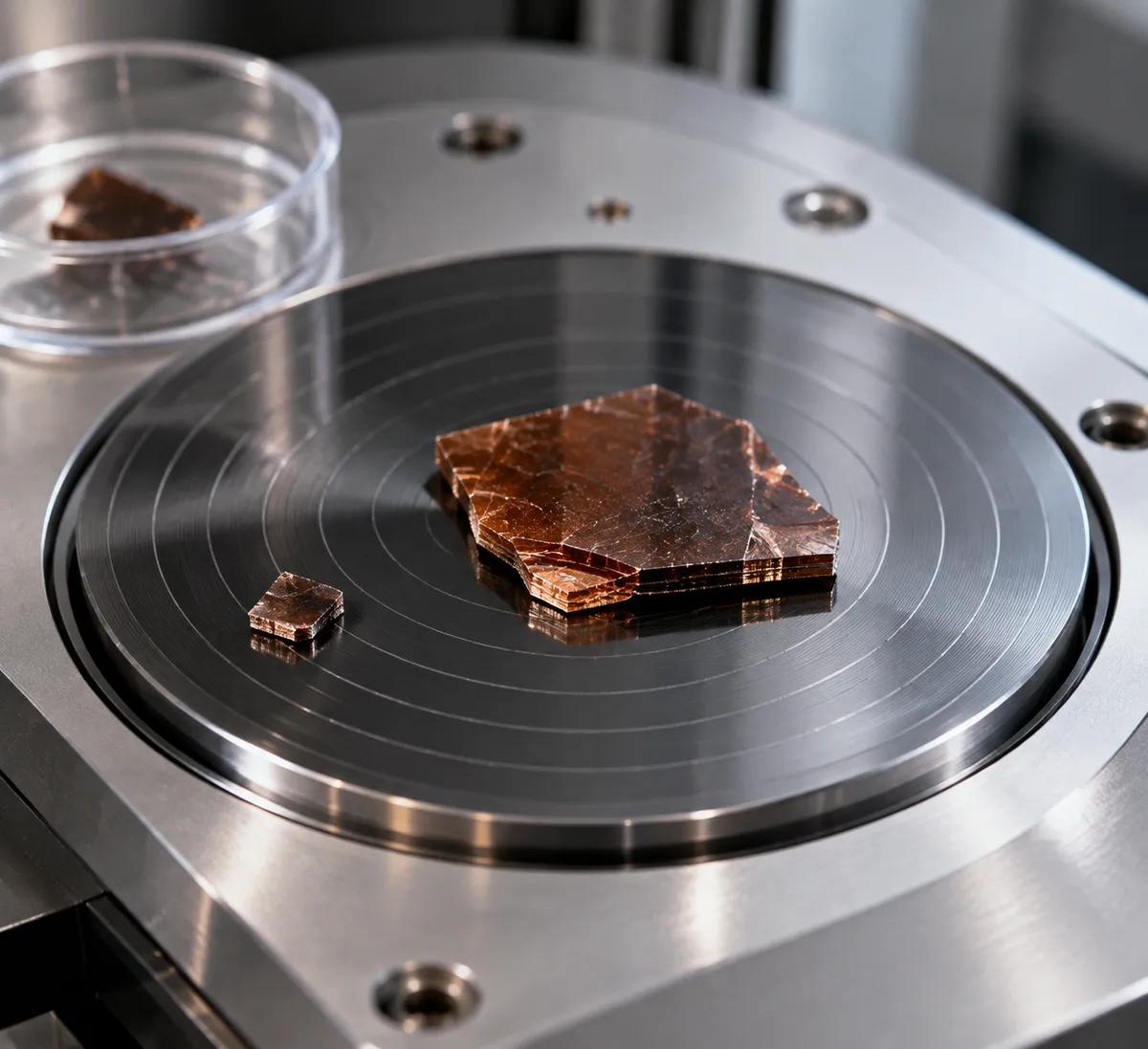
Physicists say three quantum materials, led by titanium diselenide, could detect light dark matter far better than today's designs. Here's why crystals matter.