President Donald Trump is facing criticism from lawmakers in both parties over a plan to import large quantities of Russian diesel, per the BBC. The deal, aimed at easing soaring US fuel prices during the Iran war, was announced just weeks before the US midterm elections.
Critics argue it undercuts sanctions law and hands Vladimir Putin a financial boost while Russia's war in Ukraine continues, according to the BBC's reporting.
The Collision at the Center
The cleanest way to read this story is as a head-on collision between two things Washington has been trying to do at once: keep fuel affordable at home, and keep pressure on Moscow abroad. Those goals are usually politely ignored by each other. This deal forces them into the same room.
The pitch, as the BBC describes it, is simple: more diesel in the system means relief from high prices. The objection is just as simple: the supplier is Russia, and the money flows to the government that sanctions were designed to squeeze.
Why Diesel, and Why Now
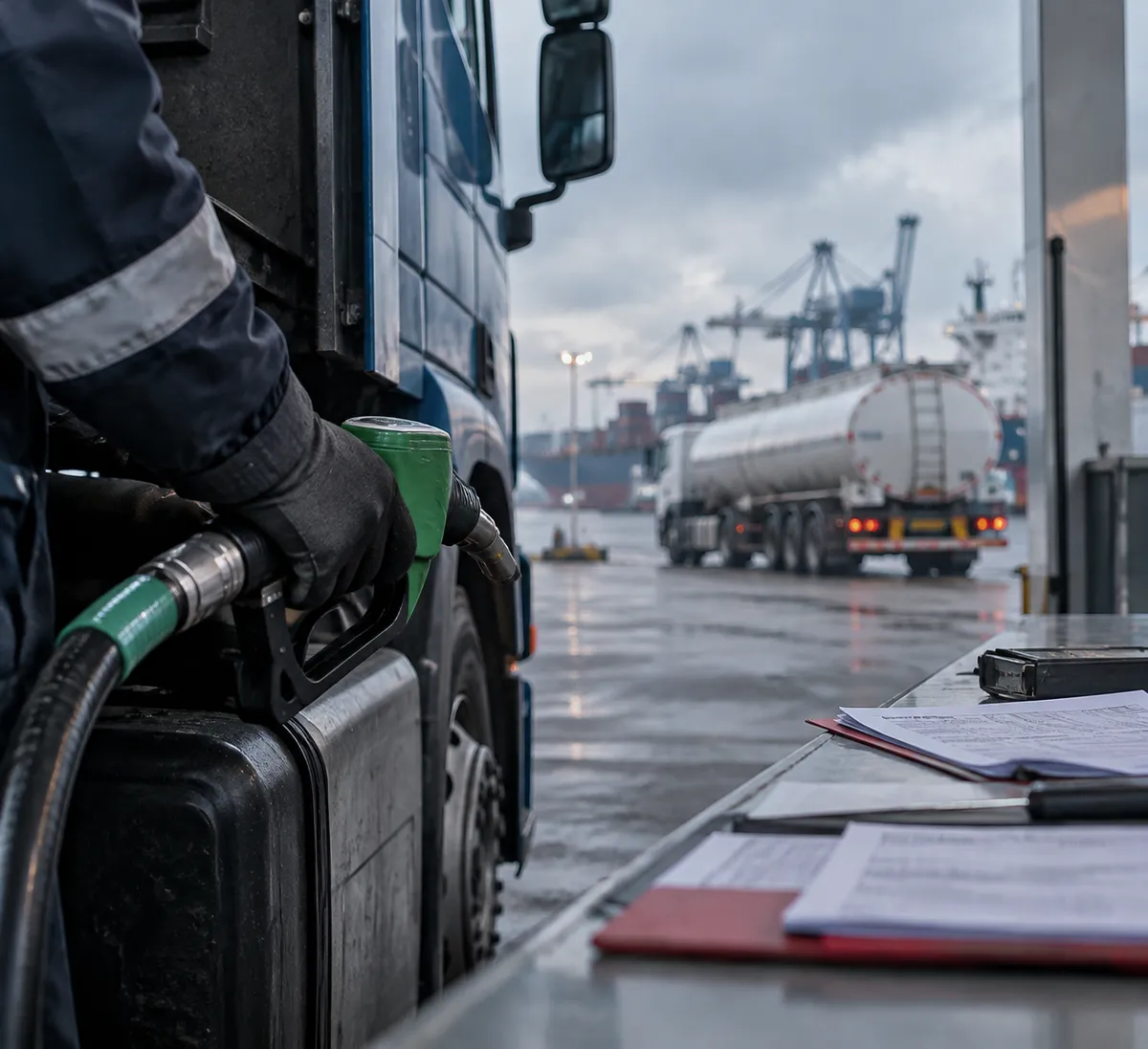
Diesel is not an abstract commodity for a lot of voters. It is a major pressure point ahead of the midterms, especially for farmers, truckers, and rural states, per the BBC's framing. Those are the people who feel a price spike at the pump, then again at the grocery store, then again in the cost of getting anything anywhere.
That helps explain the timing. It's hard not to see an energy move announced weeks before an election as partly a political one. That's our read, not a claim about anyone's motives, and the reporting doesn't say the administration framed it that way.
The Sanctions Question
The sharpest criticism is legal and strategic. Critics say the arrangement undercuts sanctions law, per the BBC. That's a serious charge, and it's one the story's reporting attributes to the critics rather than to any court or agency finding. Whether the deal actually violates US sanctions law is a question the coverage leaves open, and we're not going to settle it from the sidelines.
What is notable is who is complaining. Both Republican and Democratic lawmakers have criticised the deal, the BBC reports. In a Congress where agreeing on lunch orders can be a heavy lift, bipartisan objection is its own kind of signal.
Would It Even Lower Prices?
This is the question that decides whether the plan is a pragmatic fix or a political lightning rod with little payoff. The reporting we have describes the intent, easing soaring fuel prices, but it doesn't spell out how much Russian diesel would arrive, how fast, or how much it would shave off what drivers and farmers pay. Without those numbers, any claim that the deal would meaningfully cut prices is a hope, not a result.
That gap matters. The trade-off critics are describing is concrete: a financial boost for Putin during an ongoing war. The benefit side of the ledger, for now, is still a promise.
The Political Math
Here's the bind. Fuel prices are the kind of issue that can move rural and working-class votes, and diesel is the fuel those voters pay for most directly. But a deal that critics say props up Moscow gives opponents an easy line, and when criticism comes from the president's own side too, the usual partisan shield thins.
If the plan lowers prices quickly, supporters will point to the pump. If it doesn't, the administration is left holding both the sanctions fight and the same high prices it set out to fix. That is the gamble in one sentence, and it's the reason this story will keep running as the midterms approach.
The Bottom Line
"Cheap fuel" and "tough on Russia" have long coexisted as campaign slogans because nobody had to pick. This deal is the first time in a while the choice has looked this stark, and voters, not just lawmakers, may be the ones asked to score it.