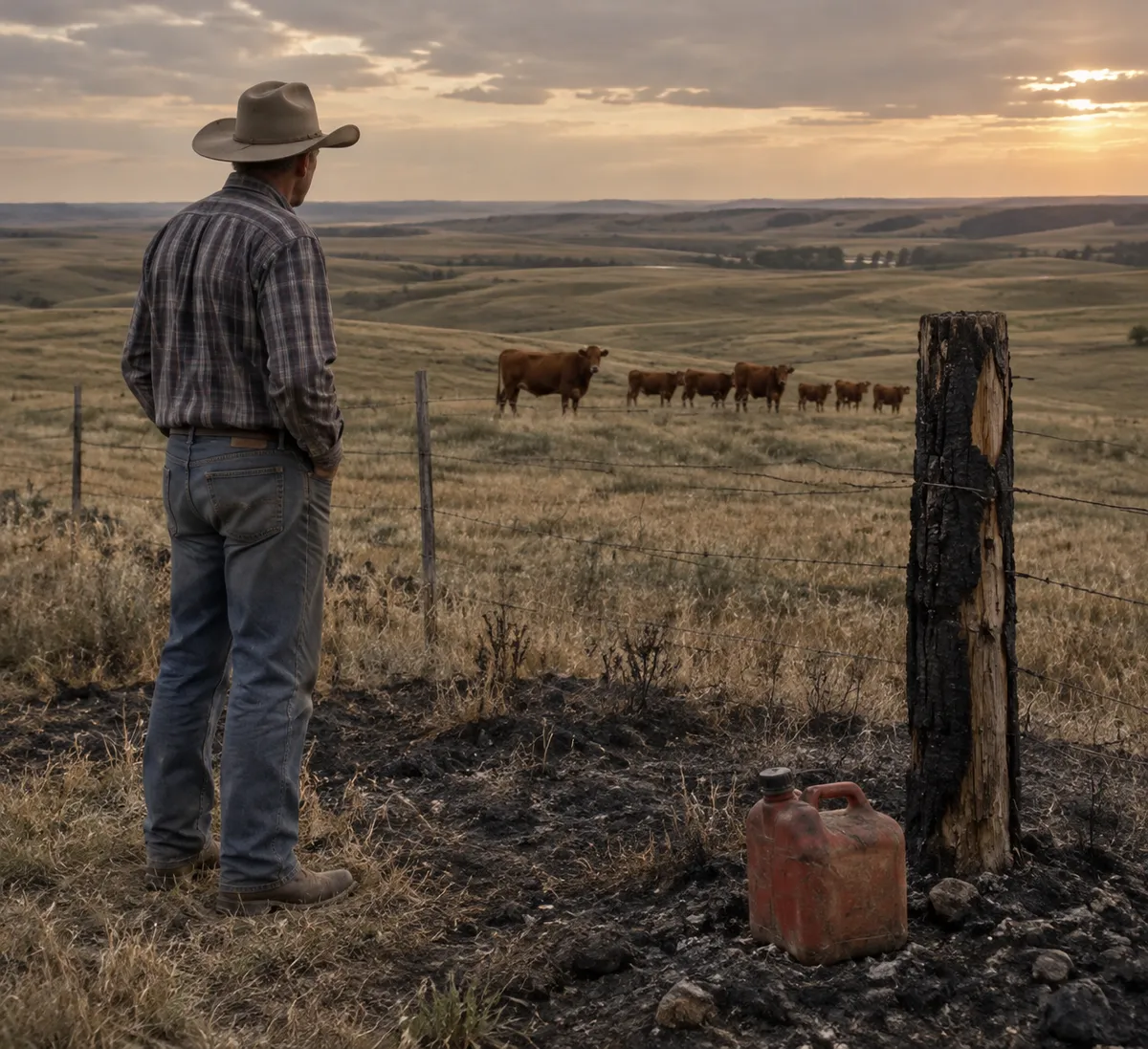
Nebraska ranchers are being squeezed from several directions at once, and the midterm elections are just weeks away. According to a BBC report, the pressures include wildfire damage, diesel price spikes, tariffs, and the president's policy on foreign beef imports. The report describes many farmers in states that backed Trump as feeling hit from all sides.
The tension at the center is a familiar one in politics, but it has rarely been this concrete. These are voters in a deeply pro-Trump agricultural state. Now some of them are weighing that loyalty against what is happening to their margins.
The Squeeze, Item by Item
The BBC's account lays out a pile-up of costs and policy headaches rather than a single villain. Here is what it identifies:
- Wildfire damage: Fire has hurt Nebraska ranch operations, adding recovery costs on top of everything else.
- Diesel spikes: Fuel is the lifeblood of a ranch, and the report points to jumps in its price.
- Tariffs: These are part of the cost picture facing family operations.
- Foreign beef imports: Trump's import policy is a particular sore spot for ranchers who sell American beef.
This is not a story about ranchers who suddenly dislike the president. It is about people whose day-to-day economics are running into policies from a leader they largely backed.
The Irony of "Buy American"
The angle worth committing to is the gap between the slogan and the ledger. Politics that champion American producers sit awkwardly next to a policy that lets in foreign beef, which is exactly what the BBC says has some ranchers frustrated.
To be clear, that framing is mine, not a quote from any rancher. But it is hard not to see the logic. If you raise cattle for a living, a pitch built around protecting American producers sounds like it should be about you. When imported beef enters the picture, the pitch and the paycheck start to part ways.
And the other pressures compound it. Tariffs and fuel costs do not wait politely for an import debate to resolve. Ranching runs on thin margins and long cycles. A cost spike lands now, while the payoff for any given herd is far off.
Loyalty Is Not the Same as Satisfaction
The BBC's broader framing is that many voters support Trump's cultural agenda while feeling harmed by parts of his economic policy. That distinction matters. Partisan identity is rarely just a ledger. It is also about values, community, and who you feel speaks for you.
So economic pain does not automatically translate into a switched vote. It can show up in subtler ways: a shrug at the polls, a split opinion, a willingness to say out loud that one policy is hurting. Pressure can reshape voting behavior without fully breaking the identity underneath it.
Why the Nebraska Senate Race Is Worth Watching
The report notes that Nebraska's Senate race is surprisingly competitive. In a state this reliably pro-Trump, that is the detail that makes political observers lean in.
I would not read too much into one race. A competitive contest does not prove rural discontent is decisive, and the BBC piece does not claim it does. But it is fair to say the timing is interesting. Rising beef prices, farm costs, and rural economic strain are colliding with election season, and a state that rarely gets national attention for its Senate politics suddenly has some.
The Takeaway
The most useful way to read this story is not as a referendum on a president. It is as a case study in how loyalty gets priced. Ranchers in Nebraska are being asked, in effect, how much a shared worldview is worth when diesel, tariffs, fire damage, and imported beef all show up on the same balance sheet.
With the midterms weeks away, we will learn something about that number. Whether it is large or small, the people living it are not abstractions. They are families trying to keep an operation alive, and they are doing the math right now.