The news: a fuel shipment with a political side effect
A new analysis from the Lowy Institute argues that Donald Trump's focus on cost-of-living politics, especially fuel prices heading into the midterms, has created incentives that undercut pressure on Russia. Its headline claim is blunt: a fuel shipment gave Trump the pre-election boost he craved, and made what the piece calls Kyiv's best tactic newly dangerous.
The piece is an argument, not a ledger, and the details of the shipment and the tactic are the author's to lay out. What we can say, going by the Lowy Institute's framing, is that cheaper household energy and weaker pressure on Russia's war financing may be two sides of the same coin.
The angle: the pump and the front line share a price tag
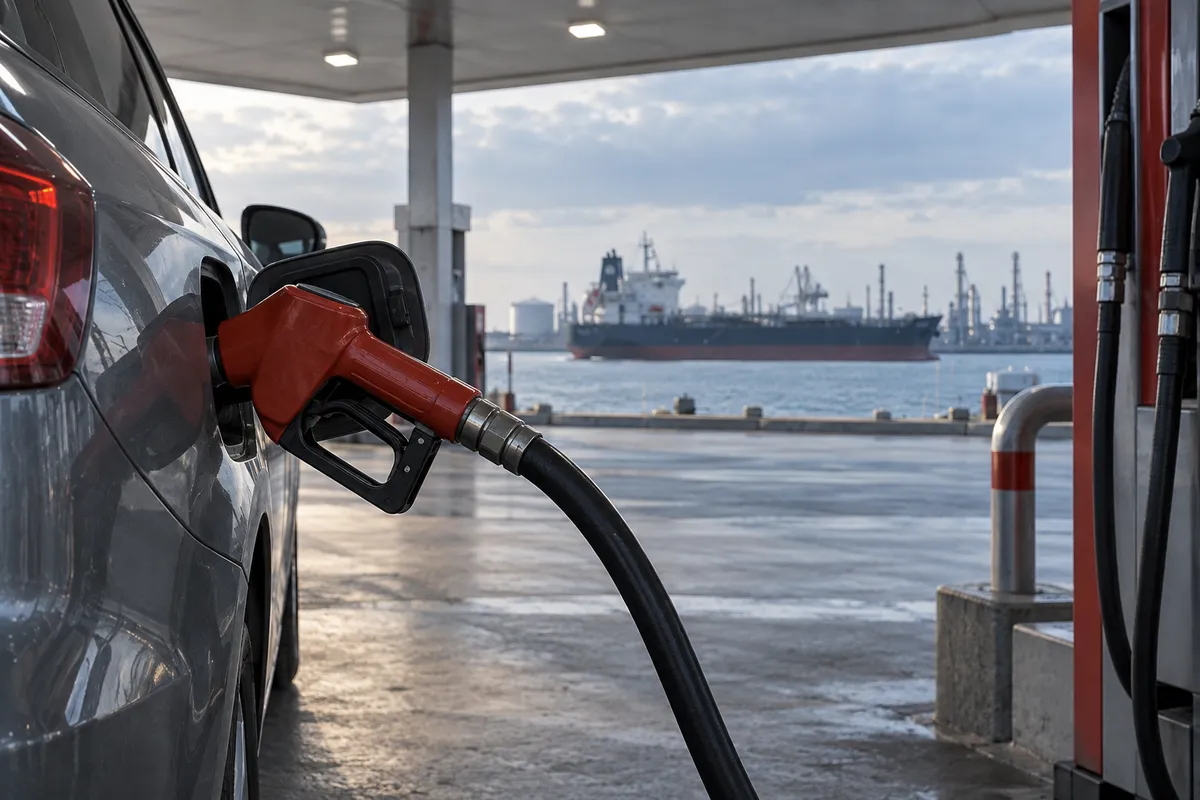
Most voters experience geopolitics as a number on a gas station sign. Most foreign policy experts experience gas prices as an afterthought. The Lowy argument is that the two worlds are more entangled than either side likes to admit, and that an election calendar can make the entanglement tighter.
Per the analysis, the tradeoff looks like this:
- Short-term relief: Easing fuel pain gives households breathing room and gives a president a talking point before voters head to the polls.
- Long-term cost: Easing economic pressure on Russia can weaken the leverage meant to constrain Putin's ability to pay for the war.
That is the heart of it. Energy prices remain politically explosive, and elections can reshape foreign policy decisions quickly. When a midterm is on the horizon, the incentive to keep prices down can start to outrank the incentive to keep Moscow's revenue squeezed.
Why Kyiv's tactic got riskier
The Lowy Institute describes Kyiv's best tactic as newly dangerous in this environment. The report details of the tactic are the author's, so it would be unfair to embellish them here. But the logic of the headline is easy to follow. If a pressure strategy pushes energy prices up, and energy prices are the thing an American administration is trying to push down before an election, then that strategy stops being merely a battlefield or sanctions question. It becomes a domestic political liability for Washington.
It's hard not to wonder how much that changes the calculus for everyone involved. A tool that was once simply useful against Russia now carries a price that American voters might see at the pump.
Trump's midterm lens
The analysis frames Trump's approach through cost of living, the issue that tends to follow every incumbent into every election. This is not a novel observation about American politics. Few things focus a campaign like what people pay to fill a tank. What the Lowy piece adds is the claim that this focus has foreign consequences, and that Putin is the beneficiary when sanctions pressure weakens.
To be clear about what is reported and what is read between the lines: the Lowy Institute argues the incentives point this way. Whether any official sees the trade in exactly these terms is not something the analysis lets us assert, and we won't pretend otherwise.
What to watch
A few questions follow naturally from the argument:
- Does relief at the pump last? A one-time shipment is a headline; a sustained price drop is a policy.
- Does pressure on Russia's revenue ease further? That is the metric Kyiv's supporters care about.
- Do voters notice the link? Most will see the price, not the proxy.
The sharpest part
The uncomfortable beauty of this story is how ordinary it looks from the driver's seat. Nobody feels a geopolitical tradeoff while filling up; they feel a slightly smaller bill. The Lowy Institute's point is that this feeling, multiplied across millions of voters and timed ahead of an election, can quietly become foreign policy. Cheap fuel is a very popular argument, and Putin, per this analysis, is happy to let it make its own case.