
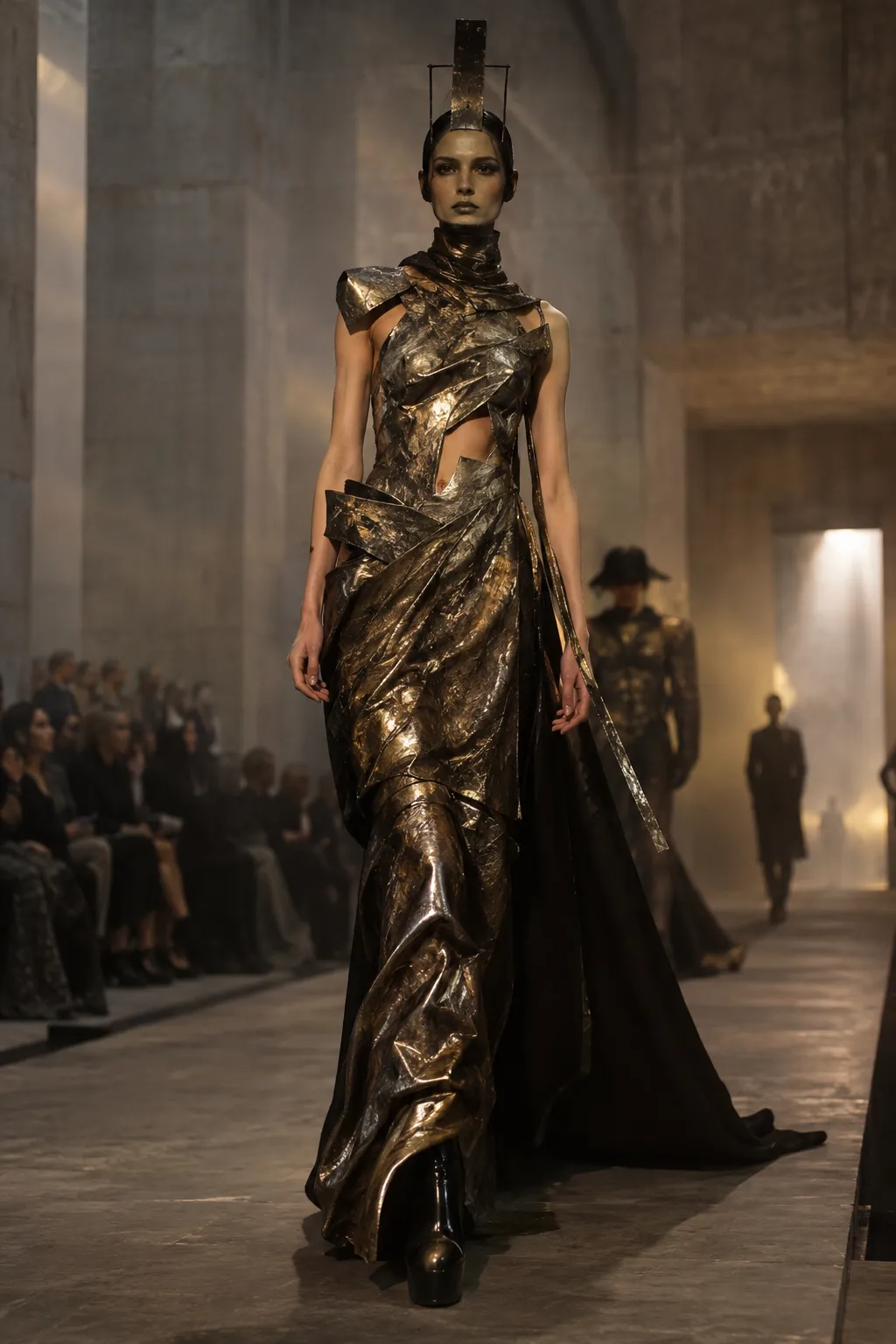
The biggest conversation at Paris Fashion Week this season didn't start on a Dior or Chanel runway. According to Vanity Fair, the most talked-about shows, and some of the best fashion, came from the fringes: Matières Fécales, Vaquera, August Barron and Rick Owens. The magazine's verdict, right there in its headline, is that Paris Fashion Week now belongs to the freaks.
That's a notable flip. Paris is traditionally the home turf of the heritage luxury giants, the houses that headline the schedule and draw the biggest crowds. Per Vanity Fair, this time the energy went to brands that prioritize boldness, authenticity and emotional resonance over commercial polish.
The Lineup of Outsiders
The names Vanity Fair singles out are a deliberately mixed bag:
- Rick Owens, the longtime patron saint of staying weird.
- Matières Fécales, a label whose anti-establishment stance has, per the report, still managed to go viral.
- Vaquera, a fringe-leaning name that landed among the season's buzzier shows.
- August Barron, rounding out the list of designers working outside the mainstream spotlight.
I can only vouch for what's reported here: these four are being credited with driving the conversation. The specifics of individual collections aren't something I'll invent, so consider this a look at the shift rather than a show-by-show recap.
Why Weird Is Winning (Our Read)
Here's the angle worth chewing on: realness has become the scarce resource.
The framing in Vanity Fair's piece ties the moment to a bigger anxiety. As AI and mass replication commodify fashion, audiences are reportedly craving genuine creative vision and subversive energy over sanitized spectacle. It's hard not to see the logic. If a convincing imitation of a good-looking coat can be generated in seconds, the thing that can't be copied is a point of view, and a designer willing to make you slightly uncomfortable has one in abundance.
That's our interpretation, not a quote from anyone on the runway. But it explains why polish, historically the luxury calling card, may now read as the opposite of exclusive. Polish is replicable. A designer's strange, specific obsession is not.
Rick Owens as the Blueprint
Owens is the obvious through-line here. Fashion fans know him as the designer who built a devoted following on a singular, uncompromising aesthetic, and his inclusion on Vanity Fair's list fits the idea that you can stay deliberately strange and still be beloved. Vanity Fair's framing places him as the model for how fringe vision can sit comfortably in the center of the conversation.
The lesson for younger labels is almost annoyingly simple: don't sand down the edges to chase the room. The room may eventually come to you.
The Matières Fécales Paradox
The most delicious tension in the story is the one around Matières Fécales. An anti-establishment label going viral is, by definition, a bit of a trap. Virality is the establishment's favorite currency, and mainstream attention has a way of turning provocation into a product category.
Whether the label sees that as a problem, we can't say, since nothing in the reporting speaks to it. What we can say is that the dynamic is worth watching. Subversion that gets this much attention eventually has to decide what it wants to do with it. The fashion world has watched that movie before, and the ending depends entirely on who stays in control of the script.
What This Means Beyond the Runway
For anyone who shops, collects or just enjoys watching fashion, the takeaway is less about any single show and more about where taste is heading. Vanity Fair's reading suggests that the cultural capital is migrating from names to nerve, and from front rows full of celebrities to work that feels emotionally true.
That doesn't mean Dior and Chanel are out of the picture. The report simply notes that they weren't where the buzz lived this season. But when the loudest conversation of the week belongs to the designers who never asked for permission, the heritage houses have to be at least a little curious about what they're missing.
Fashion has always loved a rebel in theory. This season, it seems, it finally showed up for them in person.