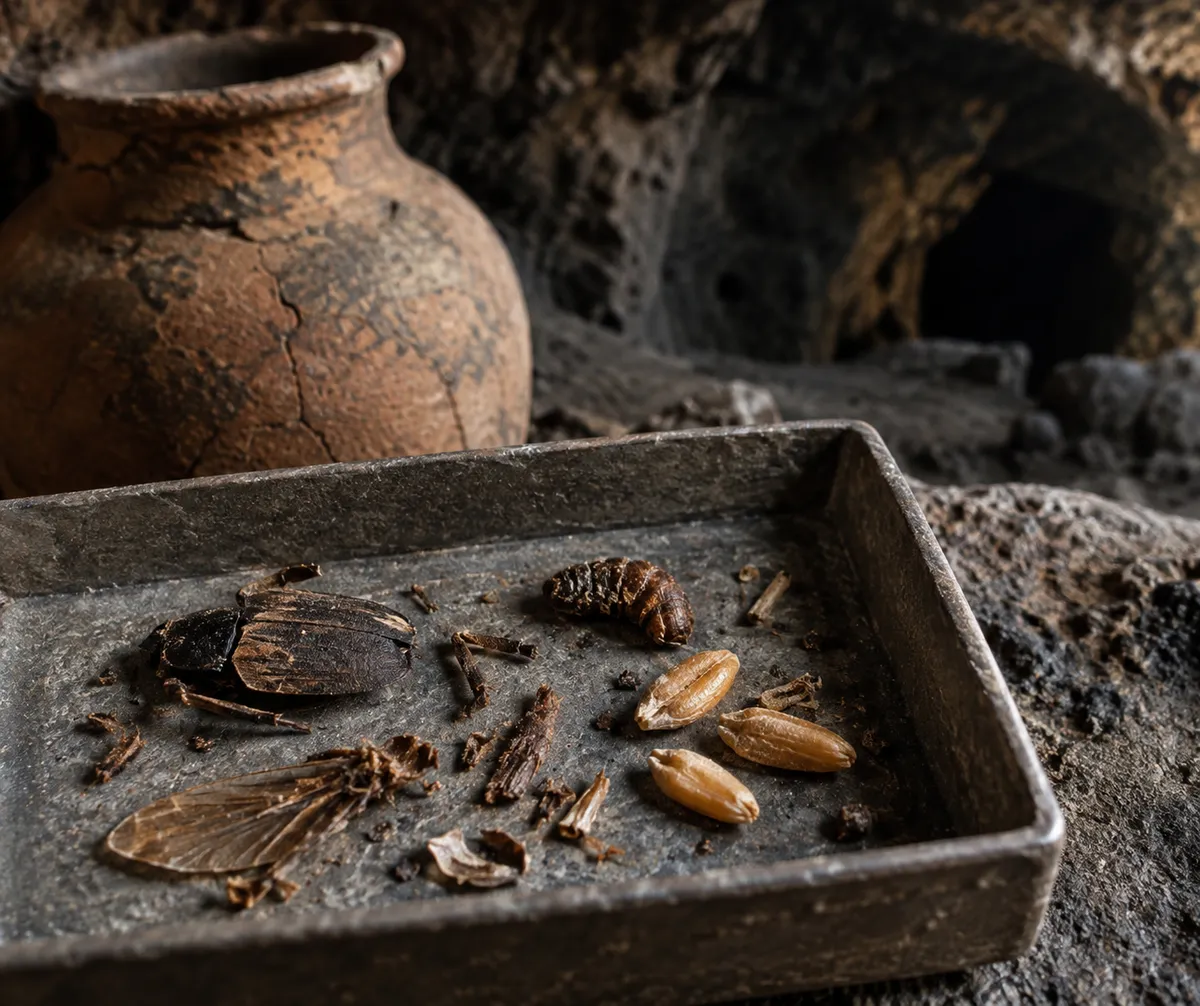
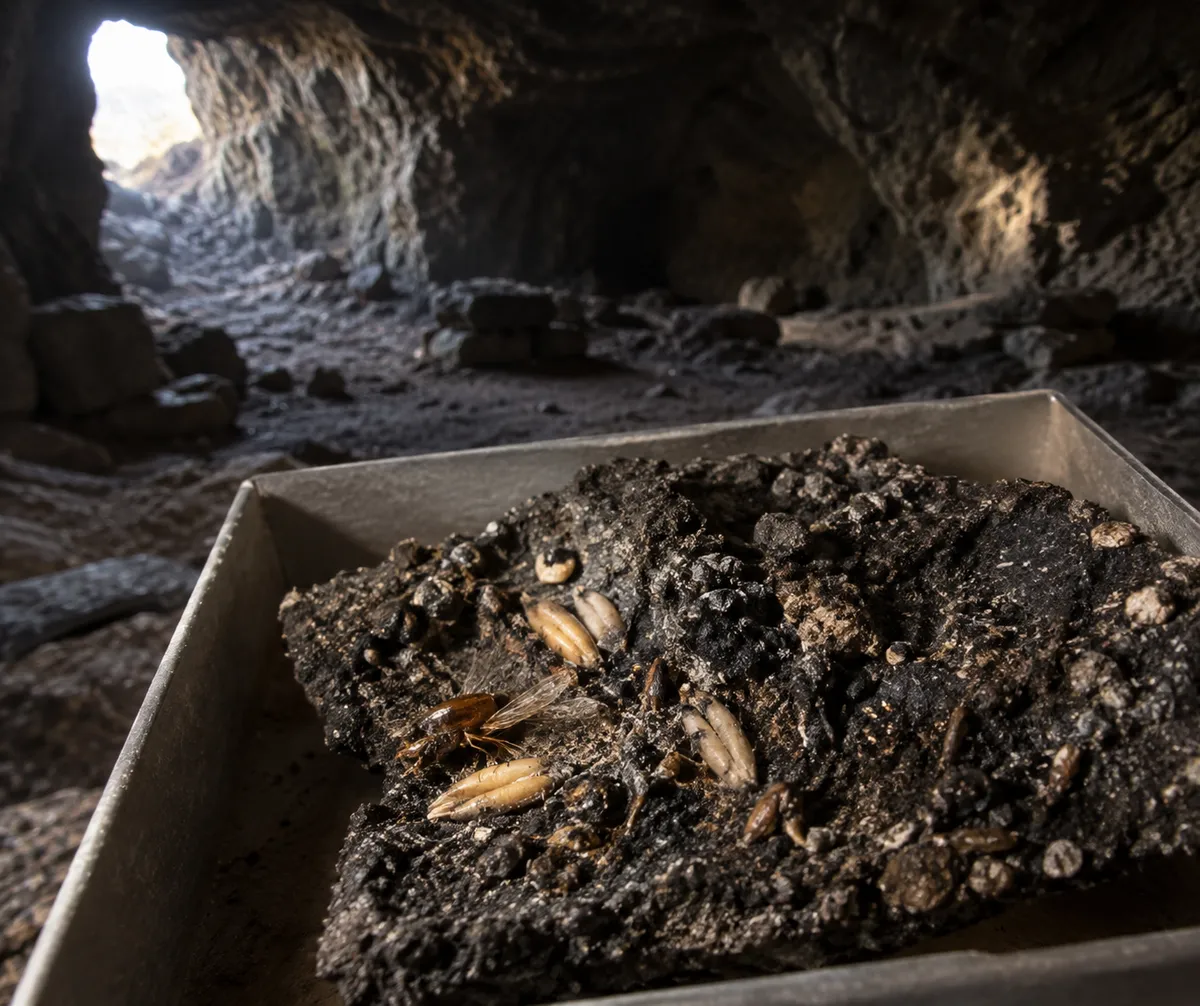
Archaeologists have analyzed more than 8,000 preserved insect remains from the Cruz de la Esquina cave on Gran Canaria, and the bugs have a story to tell. According to a report from Phys, the findings show the cave served as a grain storage site before it became a burial cave used by the island's Indigenous people. The funerary use dates to roughly the 7th to 9th centuries AD.
The insects also suggest that bodies were deposited shortly after death. That challenges earlier ideas about pre-burial decomposition practices, per the report.
A Cave With a Secret Past
The headline here is a kind of hidden biography. Cruz de la Esquina is known as a funerary cave, the sort of place you would file under "solemn" and move on. The insect evidence says that was not its first job. Before it held the dead, it reportedly held grain.
It's hard not to enjoy the plot twist. The cave went from pantry to resting place, and the thing that gave the game away was the pests that tend to follow stored grain around. The creatures that were presumably a nuisance to whoever stocked the cave ended up as the most reliable witnesses to its history.
Archaeoentomology: Reading the Room Through Its Bugs
The method behind this is archaeoentomology, the study of ancient insects. The idea is simple enough to explain at a dinner party: insects are picky about where they live and what they eat, so a pile of their remains is a record of the conditions in a place. Grain-loving species point to grain. Species tied to decomposition point to bodies.
That second clue is what drives the finding about timing. Per Phys, the insect evidence points to bodies being placed in the cave soon after death, rather than after a period of decomposition elsewhere. Anyone who has followed forensic entomology on a crime drama will recognize the logic, even if the setting is a 1,200-year-old cave rather than a lab with moody lighting. (The genre rule of thumb is that the bugs always know.)
Why This Matters Beyond One Cave
The study lands in a historical gap. Much of the Indigenous history of the Canary Islands was disrupted or lost after the Spanish conquest, per the report. That leaves researchers hunting for evidence in unglamorous places, and this is a good example of why that pays off.
Bones and artifacts get the museum spotlight. Insect remains are the overlooked supporting cast, and here they added rare detail about both daily life (storing grain) and death rituals (how and when the dead were laid to rest).
The Tiny-Clues Takeaway
What I like about this story is how it flips the usual hierarchy of evidence. More than 8,000 specimens is not the kind of material that makes a dramatic photo. Yet it was enough to rewrite two things at once: what the cave was for, and how an Indigenous community handled its dead.
So the next time a site is labeled with one tidy purpose, it's worth wondering what else happened there first. In Cruz de la Esquina's case, the answer was sitting in the dust the whole time, waiting for someone to count the bugs.